
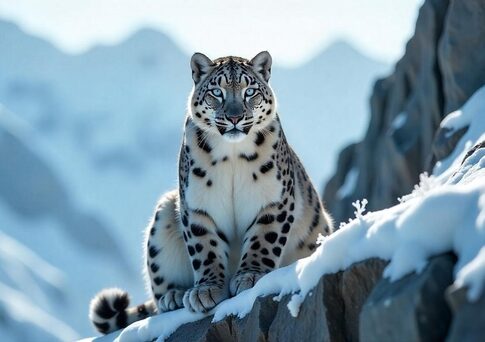
A reckless pursuit of a dangerous photo opportunity has led to a rare snow leopard attack, highlighting the ongoing tension between human curiosity and wildlife boundaries.
Rare Human-Wildlife Conflict Unfolds
On January 23, 2026, in China’s Xinjiang Uyghur Autonomous Region, a female skiing tourist was attacked by a snow leopard in the Keketuohai Scenic Area. Ignoring warnings, she approached the animal to take a close-up photo, resulting in a severe facial injury from a bite. Her ski instructor managed to drive the leopard away, and she was later hospitalized and is now in stable condition.
This incident, which occurred in an area known for having the world’s largest snow leopard population, highlights the dangers of human encroachment on wildlife habitats. Local authorities had already issued warnings after snow leopard tracks were spotted days before the attack. Despite these alerts, the tourist ventured too close, driven by the desire for a unique photograph.
Authorities React with Heightened Measures
Following the attack, Fuyun County authorities swiftly responded with intensified patrols and public awareness campaigns to ensure the safety of tourists and the preservation of local wildlife. Patrols were ramped up, and guidelines emphasizing the importance of maintaining a safe distance from wildlife were enforced. This response aims to prevent further incidents and maintain the region’s reputation as a safe tourism destination.
Snow leopards are typically elusive creatures, avoiding humans even when disturbed. According to the Snow Leopard Trust, attacks on humans are “extremely rare,” making this incident unprecedented. Experts like George Schaller have confirmed the snow leopard’s non-aggressive nature, which further underscores the unusual circumstances surrounding this attack.
The Broader Implications for Wildlife Tourism
In the wake of this rare attack, the tourism sector in Xinjiang faces potential scrutiny. The incident serves as a stark reminder of the importance of respecting wildlife boundaries, particularly in regions where human activity increasingly overlaps with natural habitats. The long-term implications could lead to policy shifts, reinforcing global campaigns against wildlife selfies and emphasizing the safe coexistence of humans and wildlife.
Skier mauled by snow leopard after getting too close for a picture https://t.co/SXW5ZTZ9Y2 pic.twitter.com/At5hYyoEqp
— New York Post (@nypost) January 26, 2026
Conservationists and local authorities continue to work together to balance tourism with wildlife preservation. They stress the need for education and awareness to prevent similar incidents in the future, ensuring that both tourists and wildlife can thrive in these shared spaces.
Sources:
Snow Leopard Attacks Skier Near Chinese Ski Area
Patrols Stepped Up at Popular Skiing Destination in Xinjiang After Rare Snow Leopard Attack
Skiing Tourist Injured in Rare Snow Leopard Attack While Returning to Hotel in China’s Xinjiang
Snow Leopard Attack on Ski Tourist in Xinjiang, China