
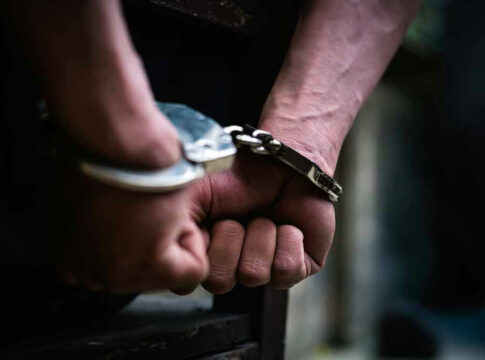
A tragic Florida gun accident inside a family kitchen has now turned into a manslaughter charge—underscoring how one moment of negligence can destroy a child’s life and a parent’s future.
What the manslaughter charge means in the Zecca case
Florida prosecutors have now moved beyond the “tragic accident” framing and charged Gregory Zecca with manslaughter in the death of his son, Anthony Zecca, after a shooting at their Naples apartment. Early coverage said law enforcement initially treated the incident as a death inquiry before shifting into an active criminal investigation. That shift matters legally because it signals investigators believed the facts could support criminal negligence rather than a purely accidental mishap.
Reports indicate the shooting happened in the apartment kitchen, where the gun was found. EMTs attempted life-saving aid, but Anthony later died from his injuries. Authorities also described the incident as isolated, meaning investigators did not initially connect it to a broader public threat or separate violence in the area. Even with that “isolated” label, the victim’s age and the presence of a firearm in close quarters ensured the case would receive intense scrutiny.
Key facts investigators are weighing: scene details and witness reports
Several details reported publicly help explain why investigators didn’t stop at an accident report. Witnesses described hearing “a couple of pops,” language that can suggest more than one shot, though public reporting has not definitively established the shot count. Another notable detail: responders reportedly observed Zecca wearing an empty holster when EMTs arrived. Those specifics—kitchen location, firearm access, and the holster detail—are the kinds of facts prosecutors often review when assessing reckless handling allegations.
At the same time, the publicly available information still leaves gaps. The reporting does not fully clarify how the firearm was being handled immediately before the shooting, where the child was positioned, or what safety steps were—or were not—taken. Those unanswered questions typically get resolved through interviews, forensic analysis, and reconstruction work. Until court filings or official statements provide more detail, much of the public discussion will remain dependent on partial reporting from media outlets covering the case.
Why “accident” doesn’t necessarily prevent criminal charges
The case highlights a point many Americans learn too late: calling a shooting an “accident” does not automatically end legal exposure. Legal analysis cited in reporting notes that unintentional gun deaths can still lead to serious charges such as manslaughter or criminally negligent homicide, depending on the facts and the applicable state standard. In plain terms, prosecutors can argue that a death was foreseeable if basic safety rules were ignored, even if no harm was intended.
For a conservative audience that values both constitutional rights and personal responsibility, that distinction is critical. The Second Amendment protects lawful ownership, but it does not excuse reckless storage, careless handling, or cutting corners around kids. When tragedies like this become criminal cases, gun owners who follow the rules often face the political blowback anyway—because opponents of gun rights use high-profile incidents to push broader restrictions that punish the law-abiding rather than the negligent.
The Dog Chapman connection and the public spotlight
Duane “Dog” Chapman’s celebrity adds heat to an already heartbreaking case. Zecca is connected to Chapman through Chapman’s wife, Francie, making Anthony the family’s grandson/step-grandson. Public reporting says a family representative asked for prayers and described the death as an “incomprehensible tragic accident.” Celebrity does not change the elements prosecutors must prove, but it can amplify attention, increase pressure for public answers, and intensify online commentary that often runs ahead of verified facts.
Dog the Bounty Hunter's Stepson Charged With Manslaughter in Shooting Death of His 13-Year-Old Son#genxunhinged
— CAM1 (@CAM177495484) February 4, 2026
With a manslaughter charge now filed, the next phase will likely center on what investigators can prove about handling, access, and decision-making inside that apartment. The public has heard pieces—kitchen location, witness “pops,” an empty holster, and the family’s grief—but courts typically require a clearer chain of evidence than headlines provide. This case is ultimately a grim reminder that protecting children starts at home, and that responsible gun culture means treating every firearm as if a single mistake can become irreversible.
Sources:
Dog the Bounty Hunter’s Stepson Faces Criminal Investigation After Son’s Gun Death
Dog the Bounty Hunter stepson psychiatric …