
A retired Air Force general vanished in broad daylight, and the most chilling detail isn’t UFO lore—it’s his wife saying he “planned not to be found.”
The 911 Call That Reframed the Case as Intentional
Susan Wilkerson’s 911 call landed like a hammer because it didn’t sound like confusion—it sounded like recognition. She reported that her husband had gone out on foot, left no vehicle trail, and left his phone at home powered down, a choice that instantly blocks the easiest breadcrumb modern life provides. She also said he had changed clothes, a small detail that matters because it suggests preparation rather than accident.
The timing sharpened the mystery. He left while she was out at an appointment, and roughly three hours passed before she called for help. For search planners, those early hours are priceless; for a person trying to disappear, they are also priceless. The public heard “planned not to be found” and understandably jumped to dramatic explanations. Common sense points first to the simplest reading: he may have wanted distance, privacy, or an ending on his own terms.
What Search Reality Looks Like When Someone Leaves No Digital Trail
Authorities and support teams searched with the kind of seriousness that follows high-profile missing-person cases, especially when the missing person carries a résumé tied to sensitive defense work. Bernalillo County Sheriff’s Office coordinated, with New Mexico Search and Rescue involved, and Kirtland Air Force Base resources in the mix given the location and his professional history. The FBI’s involvement signaled concern, but it did not automatically confirm espionage, abduction, or foul play.
The hard truth about trail-run disappearances is that nature can erase evidence fast, and urban edges can hide movement even faster. A phone left behind eliminates pings, apps, and passive data trails. A person traveling on foot avoids license-plate readers and traffic cameras that catch cars. If he wore different clothing than expected, even a credible witness can misdescribe him. Every missing-hour expands the search area, and each expansion dilutes certainty.
Why UFO Connections Became the Loudest Distraction
McCasland’s career guaranteed the internet would do what it always does: plug a mystery into an already-beloved mythology. He led major research organizations tied to advanced aerospace and national defense, including leadership roles at Wright-Patterson Air Force Base in Ohio and at Kirtland in New Mexico. Wright-Patterson carries historical baggage because of Project Blue Book and decades of rumor about Roswell-related materials. That legacy makes it an easy stage for speculation.
Some voices framed his disappearance as a “national security” panic built around what he might have known. That claim can’t stand on vibes alone. Conservative, reality-based judgment demands receipts: confirmed threats, confirmed coercion, confirmed classified exposure. None of that has been publicly shown. A decorated background makes for a better headline, but it doesn’t replace evidence. The stronger fact pattern remains procedural and personal, not extraterrestrial.
The Wife’s Public Pushback, and Why It Matters
Wilkerson’s follow-up statements tried to close the biggest open loop: the idea that her husband vanished because of hidden UFO knowledge or an abduction. She publicly rejected that framing and pushed back on what she described as misinformation, including claims that he had special knowledge about Roswell debris or bodies. Families do this for two reasons: to protect dignity and to stop the circus that can sabotage credible tips by drowning them in noise.
Her stance doesn’t “prove” he didn’t know anything unusual; it does something more useful. It re-centers the case on what law enforcement can work: last-known movements, health context, state of mind, and practical logistics. The report that he had experienced “mental fog” before disappearing also matters, not as a diagnosis, but as a clue that something internal may have been shifting. People underestimate how often quiet cognitive strain changes decision-making.
FBI Involvement, Loose Talk, and the Difference Between Suspicion and Proof
Commentary around the case included former investigators weighing in on why the FBI would participate. That can be straightforward: a prominent missing person, proximity to military infrastructure, and the possibility—however remote—of information sensitivity. The FBI’s presence can also reflect coordination support rather than a secret plot. Americans who value strong institutions should want federal resources used responsibly, but they should also resist the temptation to treat “FBI involved” as code for “confirmed conspiracy.”
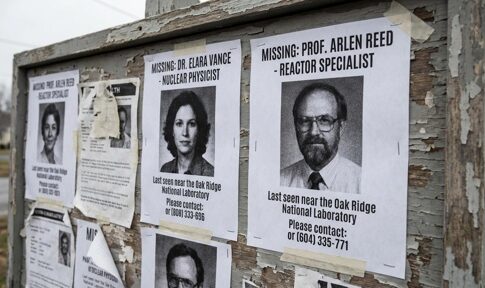
The other loose thread involved mention of a previously missing colleague and whether the cases connect. Authorities have not confirmed such a link. That restraint is appropriate. Pattern-matching feels satisfying, but it can become its own form of misinformation. The most conservative approach—measured, factual, cautious—keeps attention on verifiable timelines and on actionable leads, not on storylines built for clicks.
The Case’s Unsettling Core: A Man Who May Have Chosen Absence
The most unsettling possibility remains the simplest: McCasland may have engineered his own disappearance. Turning off a phone, leaving vehicles behind, choosing a trail environment, and creating a time window are classic ways to reduce traceability. If that’s true, the “why” becomes the human question, not the sci-fi one: health fears, personal stress, a desire to avoid burden, or something he never said out loud. Those motives fit everyday America more than aliens do.
The public should keep two thoughts in mind at once. First, his family deserves truth, not entertainment dressed up as investigation. Second, the government and media should resist turning every defense résumé into a paranormal Rorschach test. Real accountability means demanding evidence before buying sensational claims, and real compassion means remembering that one sentence—“planned not to be found”—might reflect grief, intuition, or fear, not a solved conclusion.
Search cases like this often end not with a shocking reveal, but with a quiet clarification—a verified sighting, a recovered item, a confirmed digital trace someone overlooked. Until that happens, the story’s power comes from its modern warning: a person who understands systems can step outside them, and the rest of us will mistake that competence for a cosmic mystery.
Sources:
911 Call Audio Reveals Missing Air Force General May Have ‘Planned Not to Be Found’
“Planned Not To Be Found”: Wife Of Missing US Official With UFO Knowledge