
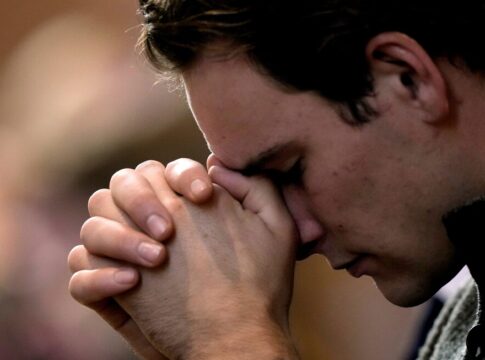
A dramatic shift in American religious life emerged this week as new Gallup data reveals young men now surpass young women in religious devotion for the first time in over two decades, marking what researchers call a seismic cultural change.
Historic Gender Reversal
Gallup’s latest findings show 42% of men ages 18-29 consider religion very important to their lives, up from just 28% in 2022-2023. Young women’s religious attachment remained steady at approximately 30% during the same period. This represents the first time since Gallup began tracking this measure in 2000 that young men have significantly outpaced women in religious devotion, reversing decades of the opposite pattern.
The gap exists only among Americans under 30. Among adults 30 and older, women maintain higher religious participation than men, consistent with historical patterns. Gallup aggregates data every two years to ensure statistical stability in its estimates.
Political Divide Deepens
The religious revival concentrates heavily among young Republican men. Since 2022-2023, religious attendance has climbed among young Republicans while declining among young Democrats. The percentage of young Republican men attending religious services weekly has risen steadily since 2019, while Democratic men’s attendance has largely fallen. Only about one-quarter of Democratic women under 30 now attend services monthly, compared to roughly 60% of young Republican women.
What Drives Young Men to Church
Ryan Burge, a Washington University political scientist and American Baptist pastor, calls the reversal a seismic change for society and the church’s future. Young men increasingly view religious institutions as spaces where they feel accepted in a world where other institutions focus less on white men compared to women and people of color, Burge explains. American religion remains dominated by white men, and young men gravitate toward institutions that elevate them and provide influence and power, he notes. The shift could reshape how children are raised, potentially affecting the nation’s religious landscape for generations.