
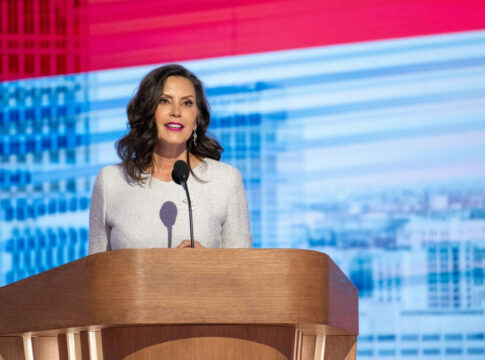
Michigan Governor Gretchen Whitmer just shattered Michelle Obama’s grim verdict on America’s readiness for a female president, igniting a fierce debate on what really sank Kamala Harris.
Obama’s Provocative Claim Sparks National Debate
Michelle Obama stated at the Brooklyn Academy of Music in November that Americans remain “not ready” to elect a woman president. She linked this to Kamala Harris’s 2024 loss to Donald Trump. Obama highlighted societal attitudes, noting many men resist female leadership. Her comments, made while promoting her book “The Look,” fueled post-election analysis within Democratic circles.
Obama’s view reflects decades of debate on gender barriers in politics. Harris’s defeat reignited questions about voter biases. Obama advocated for honest reckoning with these obstacles before pushing more female candidates.
Whitmer Counters with Electoral Evidence
Gretchen Whitmer responded in an NPR interview, asserting America stands ready for a woman president. She cited Democratic women’s 2024 successes up and down ballots in key states. Governors Abigail Spanberger won in Virginia; Mikie Sherrill triumphed in New Jersey; Senator Elissa Slotkin secured Michigan’s seat. These victories prove female viability, Whitmer argued.
Whitmer expressed affection for Obama but held firm on her optimistic assessment. Pressed on Harris’s loss, Whitmer rejected gender as the only factor. She focused on proven electoral strength despite one high-profile setback. This stance aligns with common sense: results matter more than assumptions.
Generational Clash in Democratic Ranks
Obama, as former first lady, embodies caution shaped by national campaigns. Whitmer, an active governor, draws from recent wins and state-level grit. Their divide mirrors party tensions post-2024. Democrats grapple with strategy: blame gender bias or refine messaging on policy and appeal?
Nancy Pelosi offered a middle path, predicting a female president eventually but perhaps not soon. This disagreement shapes midterm recruitment. It tests whether Democrats emphasize barriers or competence. Conservative values prioritize merit over identity—Whitmer’s data-driven view resonates here.
Implications for 2028 and Beyond
Whitmer faces speculation as a 2028 contender but commits to Michigan and midterms. Her optimism bolsters female Democrats eyeing higher office. Obama’s skepticism warns of risks, potentially deterring runs. Voters ultimately decide readiness through ballots, not elite pronouncements.
The rift influences party narratives on electability. Short-term, it affects candidate support. Long-term, it fuels cultural talks on leadership diversity. Facts favor Whitmer: women won tough races in 2024. Persistent bias claims ring hollow against evidence, echoing conservative emphasis on achievement.
Sources:
https://www.foxnews.com/politics/gov-whitmer-says-america-ready-woman-president-contrasting-michelle-obama
Fox News article detailing Whitmer’s NPR interview and Obama’s BAM remarks.
Verification of 2024 election results for Spanberger, Sherrill, and Slotkin.
Direct quotes from principals confirming the disagreement.