
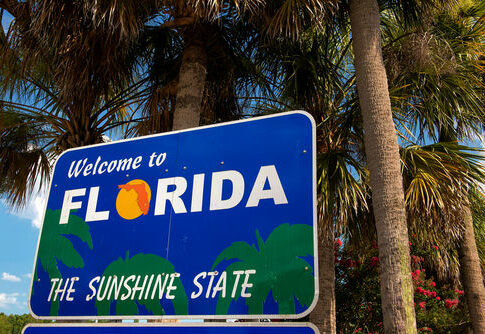
Florida’s no-tax paradise turned into a costly trap as over 2 million migrants from high-tax blue states like California, New York, and Illinois flooded in, driving up living costs nearly fivefold and pricing out working families.
Mass Exodus from Blue States Fuels Florida Boom
California lost 530,886 residents, New York 446,814, and Illinois 139,399 since 2020, totaling over one million departures from these high-tax, high-regulation states. Over 2 million Americans moved to Florida, drawn by no state income tax, warm weather, and escape from progressive policies. This migration, sparked by the 2020 pandemic, made Florida the fastest-growing state with an 8.2% population increase through 2024. Southwest Florida counties like Charlotte and Lee saw surges of 25.8% and 16.4% respectively. Such shifts highlight the appeal of conservative governance amid blue state failures.
Cost of Living Explodes Under Migration Pressure
Florida’s annual cost-of-living growth jumped from 1.3% in the 2010s to 5.8% in the 2020s, propelled by the influx. Homeowners now face the nation’s highest insurance premiums at $2,794 yearly, up 63% since 2020 due to hurricanes. Rents climbed to $2,208 per month, sixth-highest nationally. Median home prices reached $373,333, 104% of the U.S. average. Utilities hit $174 monthly for electricity, driven by air conditioning demand and storm rebuilds. These rises transformed Florida from affordable haven to the South’s fourth priciest state.
Hurricanes and Infrastructure Strain Amplify Crisis
Annual hurricanes elevated insurance costs nationwide highest in Florida since 2020. Population boom added 250,000 to Southwest Florida alone, overwhelming housing and roads. Groceries spiked too, with eggs up 135% from 2015-2025. No-income-tax policy offsets some burdens but proves insufficient against housing dominance in expenses. Regional gaps persist: coastal Miami exceeds $600,000 median homes while inland Ocala remains viable. This strain underscores limits of unchecked growth without smart policy, echoing conservative calls for balanced development.
Florida TaxWatch, a nonpartisan watchdog, documented the fivefold cost acceleration in mid-decade reports. Their analysis urges housing and insurance reforms as wages lag, covering just 19% of home values yearly. Local reports note residents considering exits, prioritizing livability over raw growth numbers.
California, New York, and Illinois Lost Over One Million Residents Combined. Over 2 Million Moved to Florida. Here Is What Happened to Florida Cost of Livinghttps://t.co/TmiS4DSfRZ
— 19FortyFive (@19_forty_five) April 24, 2026
Signs of Relief Emerge in 2026
Early 2026 brings moderation: population growth slows, and median home prices dipped $30,000 year-to-date in key areas, from peaks near $500,000 to $479,000 with incentives. Inflation eased post-2022 peak but exceeds pre-2020 levels. Florida ranks 18th most expensive nationally, hosting eight of the top 10 U.S. growth cities. Optimists cite economic benefits second only to Texas inflows; pessimists warn of an affluent-only shift. Balanced views highlight inland affordability and passed price peaks, pressing policymakers for fixes on insurance and zoning.
Short-term impacts include traffic congestion and some outflows; long-term risks involve policy reforms to sustain conservative values of opportunity. Developers and insurers profit amid resident pushback, with Tallahassee and Washington influencing outcomes through tax and housing decisions.
Sources:
Cost of Living in Florida: A Mid-Decade Check-In